Clearing out the home of someone you loved is one of the hardest jobs a family ever takes on. It arrives at a moment when you are already tired and grieving, and the house is full of a lifetime's worth of belongings, memories, and decisions. If you are staring at a full brick ranch in Monroe or a multi-generational homestead somewhere in Union County, take a breath. You do not have to do this all at once, and you do not have to do it perfectly. This estate cleanout checklist is meant to give you a calm, practical path forward, one room and one decision at a time.
Before You Begin: Steady Yourself and Set the Pace
The most common mistake families make is treating an estate cleanout like a race. It is not. Rushing leads to lost documents, discarded keepsakes, and resentment between siblings who each remember the house differently. Before you lift a single box, gather the people who will help and agree on a few ground rules.
- Decide who leads. One person coordinating decisions prevents the chaos of a dozen opinions on every drawer.
- Set realistic sessions. Two to four hours at a time is plenty. Emotional work is draining in ways physical labor is not.
- Bring supplies. Sturdy boxes, contractor bags, markers, painter's tape for labeling, gloves, and water.
- Protect the timeline. If probate, an estate sale, or a home sale is involved, ask the attorney or agent what must stay in place until paperwork clears.
Give yourself permission to feel whatever comes up. Many families in the Piedmont are working through homes that held three generations, where a single hallway closet can hold a grandmother's quilts, a father's tools, and a child's school papers all at once. That weight is real, and pacing yourself is not weakness. It is wisdom. Set a loose finish date if paperwork requires one, but hold it gently, and let the family lead the tempo rather than the calendar.
Step One: Documents, Valuables, and the Irreplaceable
Before any sorting, donating, or tossing begins, do a careful first pass for the things that cannot be replaced. This single step protects the estate and prevents heartbreak later when a will or a savings bond turns up at the landfill.
What to secure first
- Legal and financial papers: wills, trusts, deeds, titles, insurance policies, tax returns, bank and investment statements, Social Security and Medicare cards.
- Identification: passports, birth and marriage certificates, military and discharge records.
- Cash and valuables: jewelry, coins, precious metals, firearms, and anything of obvious monetary worth. Older homes often hide cash in books, coat pockets, freezers, and coffee cans.
- Keys and access: safe-deposit box keys, spare car keys, and any labeled keys you cannot yet identify.
Put these items in a locked box or a single trusted person's car, not in the general keep piles. Check every pocket, every envelope, and the pages of every book before those items leave the house. It is slow, but it is the one step you truly cannot skip.
Sorting Room by Room: Keep, Donate, Sell, Toss
Once valuables are secure, work with a simple four-category system. Label four zones in each room and commit to putting every item into one of them. Working room by room, rather than category by category across the whole house, keeps the project from swallowing you.
- Keep: items family members genuinely want and have room for.
- Donate: usable clothing, housewares, and furniture in good condition.
- Sell: antiques, collectibles, tools, and quality furniture worth the effort of an estate sale.
- Toss: broken, stained, expired, or unsafe items no one can use.
Start with the least emotional spaces first. Bathrooms, linen closets, the garage, and the kitchen pantry are full of expired products and worn goods that are easy to decide on. Building momentum here makes the harder rooms feel manageable. Save bedrooms, offices, and photo-filled hallways for later sessions when your team has found its rhythm.
Around Monroe, you have good local options for the donate and sell piles. Habitat for Humanity ReStore takes furniture and building materials, thrift shops along the US-74 corridor accept clothing and housewares, and local estate-sale companies can appraise and run a weekend sale for homes with genuine antiques. A quick call to an estate-sale professional early on can also tell you what is worth selling before you give it away.
Handling Sentimental Items Without Overwhelm
The sentimental pile is where cleanouts stall. A shoebox of photographs or a mother's handwriting on a recipe card can stop an entire afternoon. That is normal, and it deserves a plan rather than avoidance.
Gentle strategies that work
- Set a keepsake limit. Give each person one or two boxes for truly sentimental items. Constraints make the choices kinder and clearer.
- Photograph before you part. A picture of a well-worn armchair often holds the memory just as well as the chair itself.
- Share the stories. Let family members claim what carries meaning for them. What is clutter to one sibling is a treasure to another.
- Delay the hardest calls. It is perfectly fine to box up the truly undecidable items and revisit them in a few months. Do not let one drawer hold the whole house hostage.
Remember that honoring a person is not the same as keeping everything they owned. The love is not in the objects. Releasing what you cannot use, so it can serve another family, is itself a form of respect.
Sizing a Dumpster and Building a Realistic Timeline
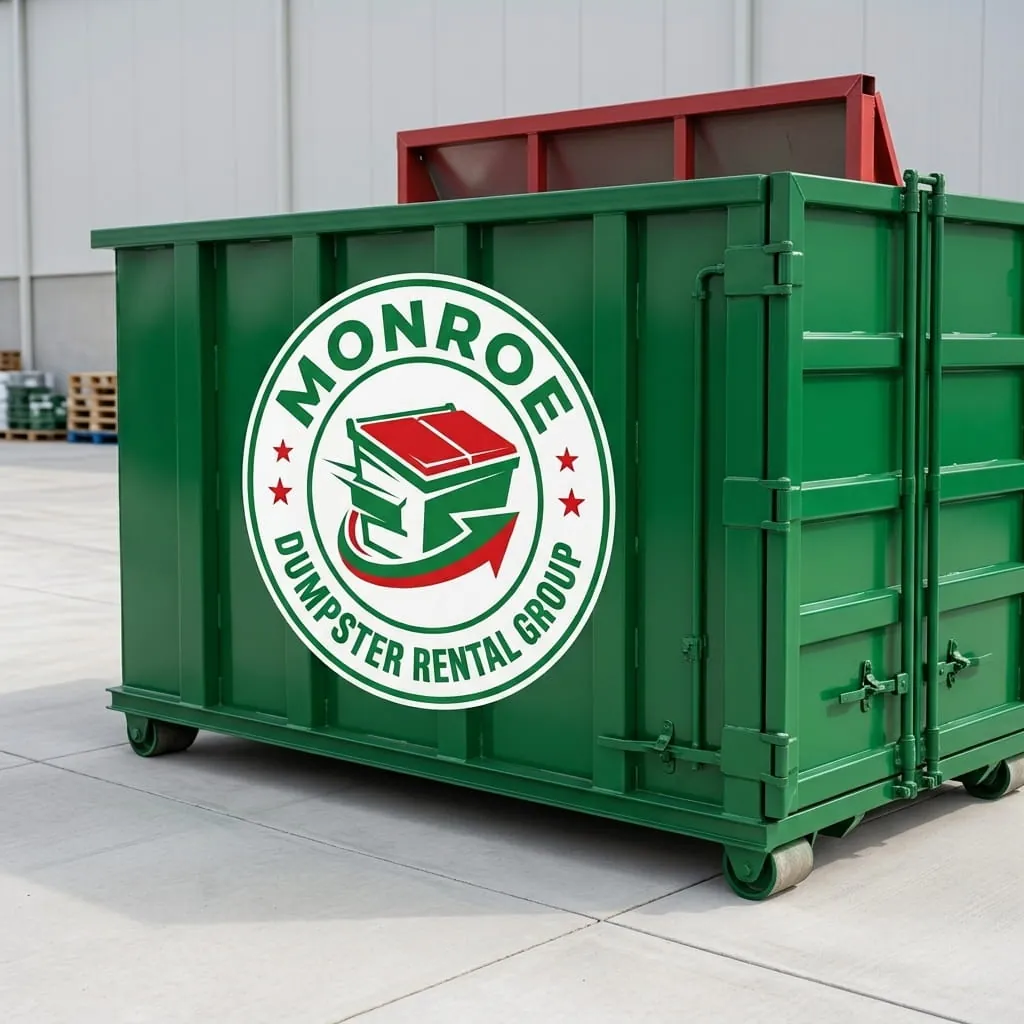
Even with generous donating and selling, a full-home cleanout produces a surprising amount of true trash: worn carpet, damaged furniture, mattresses, cleaning debris, and decades of accumulated clutter. A roll-off dumpster on the driveway lets your team keep the work moving instead of stacking bags for weeks.
For most Monroe-area homes, a mid-size container is the sweet spot. A 20-yard dumpster handles the contents of a typical three-bedroom brick ranch, including furniture and light debris, without dominating the driveway. You can review dimensions and what fits on our 20-yard dumpster page. Larger multi-generational homes with attics, basements, and outbuildings may need a 30-yard container or a swap-out partway through.
A workable timeline for an average home looks like this:
- Week one: secure documents and valuables, then clear the easy rooms.
- Week two: sort bedrooms and living spaces; schedule donation pickups and any estate sale.
- Final push: hold the estate sale, then have the dumpster on site for the remaining toss pile and a final sweep.
Flat-rate pricing keeps this predictable. You will know the cost up front, with no surprise weight fees waiting at the end of an already difficult month.
When to Bring in Help
You do not have to carry this alone, and there is no prize for doing so. Consider outside help when the home has been vacant a long time, when family lives out of state, when hoarding or hazardous conditions are involved, or simply when grief makes the physical work too much. Professional cleanout crews, senior-move managers, and estate-sale companies around Union County do this work every week with care and discretion.
There is no shame in reaching that point, and asking for help often frees you to spend your energy on the parts only family can do, like choosing what to keep and telling the stories that go with it. Even if you handle the sorting yourselves, let the heavy hauling be someone else's job. Ordering a dumpster is often the single decision that turns an overwhelming house into a series of manageable afternoons. When you are ready to talk through sizing or scheduling, our team is glad to help you plan a cleanout that fits your family's pace. Learn more about how we support families on our estate cleanout services page.
Clearing a loved one's home is a labor of love, done in small, steady steps. When you are ready for a container that makes the physical part easier, we are here. Call our Monroe team at (980) 446-2528 or reach us through our contact page for straightforward, flat-rate roll-off service across Union County and the Charlotte metro.

Founder, Monroe Dumpster Rental Group — sharing straight advice from more than 15 years of local hauling experience.